There is something rather unfair about being Agra. Imagine being home to one of the Seven Wonders of the World, only to have visitors arrive, take approximately 247 photographs of the Taj Mahal (opens in new tab), buy a miniature marble souvenir, and leave without getting to know the city itself. Being famous for the Taj Mahal is undoubtedly a privilege, but Agra, Uttar Pradesh, has a personality that extends far beyond its most celebrated monument. From its magnificent Mughal architecture and historic monuments to its bustling street markets, delicious local food, and centuries-old traditions, there is so much more to discover in this historic Indian city.
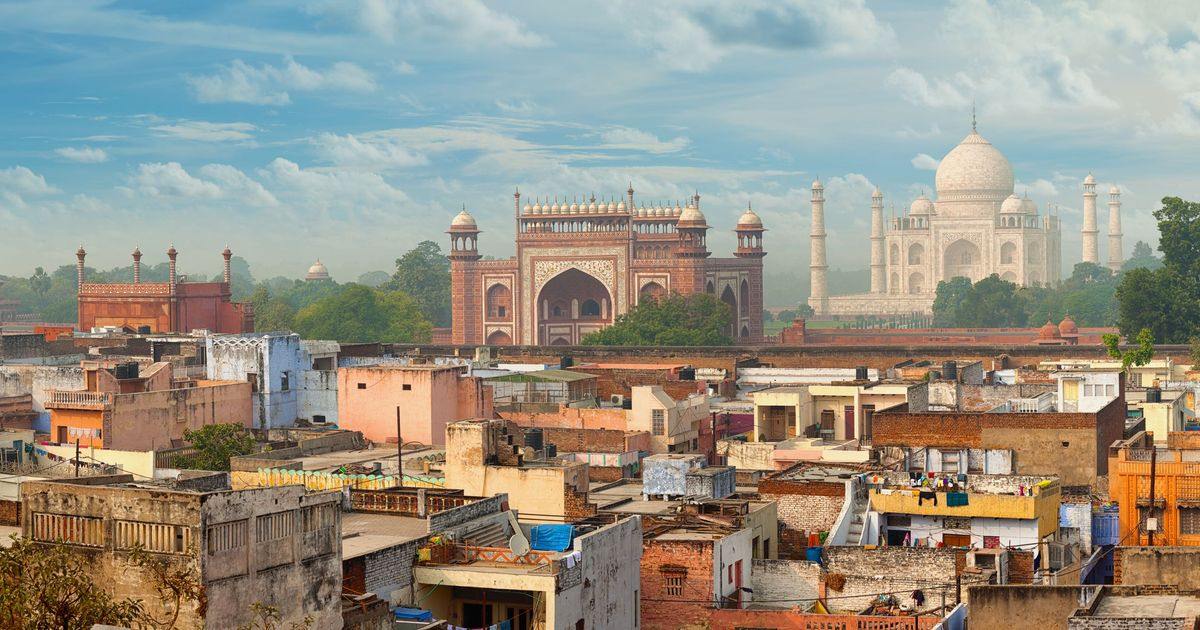
For anyone planning an Agra trip, the Taj Mahal is naturally the first stop. And honestly, who could blame them? Standing before this magnificent white marble mausoleum is an experience that photographs can never quite capture. Built by Mughal Emperor Shah Jahan (opens in new tab) in memory of his wife Mumtaz Mahal (opens in new tab), the Taj Mahal is one of the world's most recognised symbols of love and an extraordinary example of Mughal architecture (opens in new tab). Its intricate marble inlay work, symmetrical gardens, and changing colours throughout the day make it one of the most beautiful historical places in India. Whether you visit during sunrise, when the monument glows softly in the morning light, or admire it under the evening sky, the experience is unforgettable. It is little wonder that the Taj Mahal remains one of the most popular tourist attractions in India.
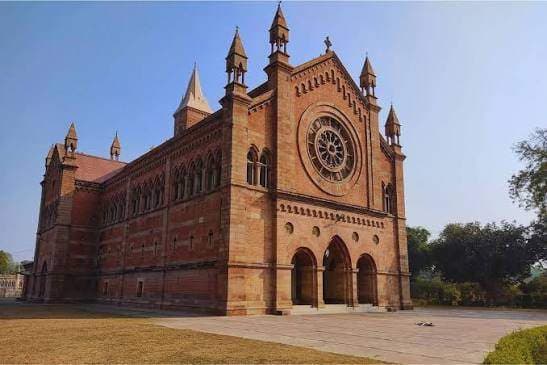
But to reduce Agra tourism to the Taj Mahal would be rather like judging a person entirely by their best photograph. There are plenty of other historical places to visit in Agra, each with a story of its own. Agra Fort (opens in new tab), a UNESCO World Heritage Site, is an architectural masterpiece of red sandstone that once served as the residence of Mughal emperors. Its grand courtyards, palaces, and impressive gateways offer a glimpse into the grandeur of the Mughal Empire. Then there is Fatehpur Sikri, the historic city built by Emperor Akbar, with its remarkable palaces, mosques, and the magnificent Buland Darwaza. These architectural landmarks make Agra a fascinating destination for history enthusiasts, architecture lovers, and anyone interested in India's rich cultural heritage.
Beyond its historical monuments, Agra is a city best experienced through its streets. The bustling markets of Agra offer an entirely different kind of sightseeing experience. Kinari Bazaar, one of the most famous shopping destinations in Agra, is filled with colourful textiles, traditional jewellery, embroidered fabrics, handicrafts and intricate decorative items. Sadar Bazaar is another popular market, particularly for visitors looking to explore local shopping, leather goods and souvenirs. Walking through these markets is an experience in itself. Shopkeepers call out to customers, scooters squeeze through impossibly narrow lanes, bargaining becomes an unofficial competitive sport, and every corner seems to offer something worth stopping for. You might arrive looking for a souvenir and leave with three things you never intended to buy. That's simply how Agra works.
And then, of course, there is Agra's food culture. No travel guide to Agra would be complete without mentioning its famous local cuisine. The city is particularly known for petha, a traditional sweet made from ash gourd, available in numerous flavours and varieties. From the classic white petha to kesar and angoori petha, there is something for every sweet tooth. Agra's street food is equally worth exploring. Hot kachoris, spicy chaats (opens in new tab), crispy samosas, and flavourful snacks make the city's food scene an experience of its own. For visitors looking to explore the best food in Agra, sampling its traditional sweets and street food is practically compulsory. After all, what is a holiday without eating your way through an unfamiliar city?
What makes Agra particularly interesting is the contrast it carries so effortlessly. It is a city where centuries-old Mughal history exists alongside modern shopping streets, where magnificent historical monuments stand within reach of busy neighbourhoods, and where international tourists share the streets with locals going about their everyday lives. Agra sightseeing may begin with architectural wonders, but it often ends with unexpected discoveries: a tiny sweet shop, a colourful market, a quiet corner overlooking an old building, or a conversation with someone who has lived in the city all their life.
For those wondering about the best time to visit Agra, the cooler months between October and March are generally considered ideal for exploring the city's outdoor attractions and historical landmarks. The pleasant winter weather makes visiting the Taj Mahal, Agra Fort and Fatehpur Sikri considerably more comfortable. Whether you are planning a weekend getaway, a Golden Triangle tour covering Delhi, Agra and Jaipur, or a longer cultural trip through North India, Agra makes for an unforgettable destination.
Perhaps what makes Agra so special is that it doesn't need another monument to prove its importance. It has already given the world one of its greatest architectural wonders. What it deserves now is to be appreciated in its entirety: its history, its people, its food, its markets, its craftsmanship and its wonderfully imperfect character.
So, the next time you plan a trip to Agra, go see the Taj Mahal. Absolutely. Admire the marble, take the photographs, and marvel at the sheer audacity of building something so beautiful. But don't leave just yet. Explore the historic streets, discover the famous markets, try the local food, visit the lesser-known attractions, and experience the city's everyday rhythm.
Because Agra may be famous for a monument built to immortalise love, but its real charm lies in everything that exists beyond it.
Written by Piyusha Taunk